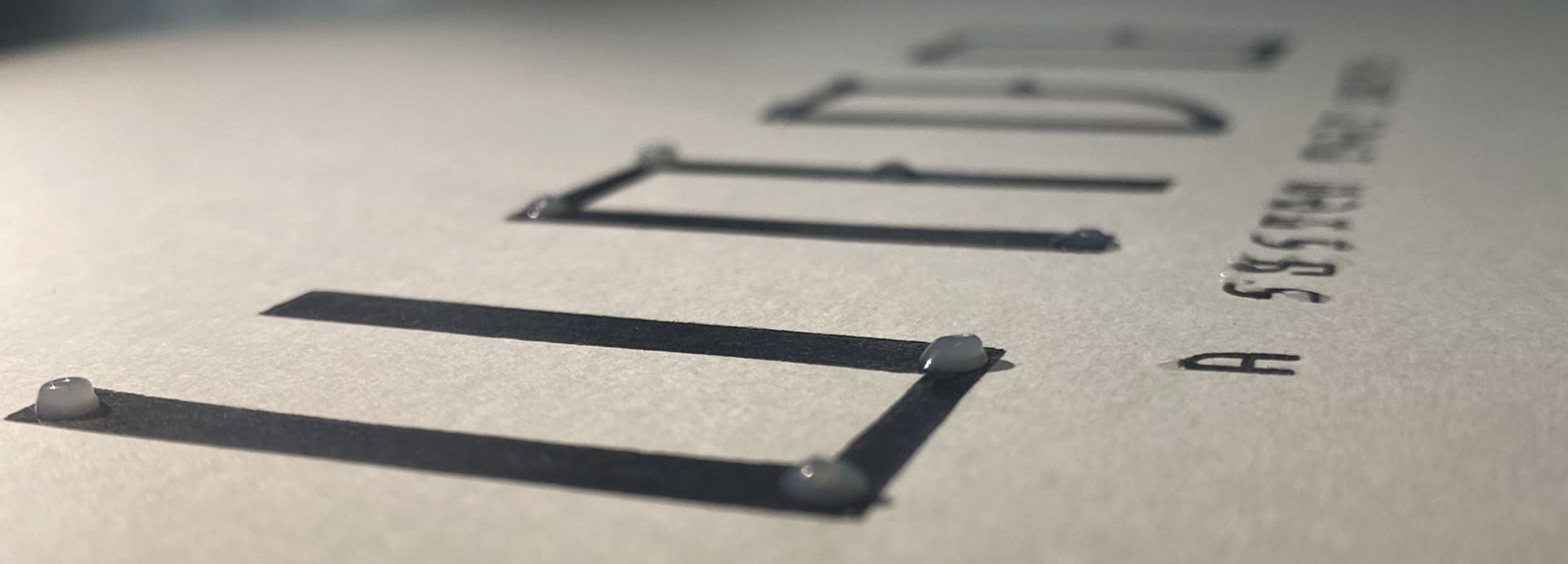
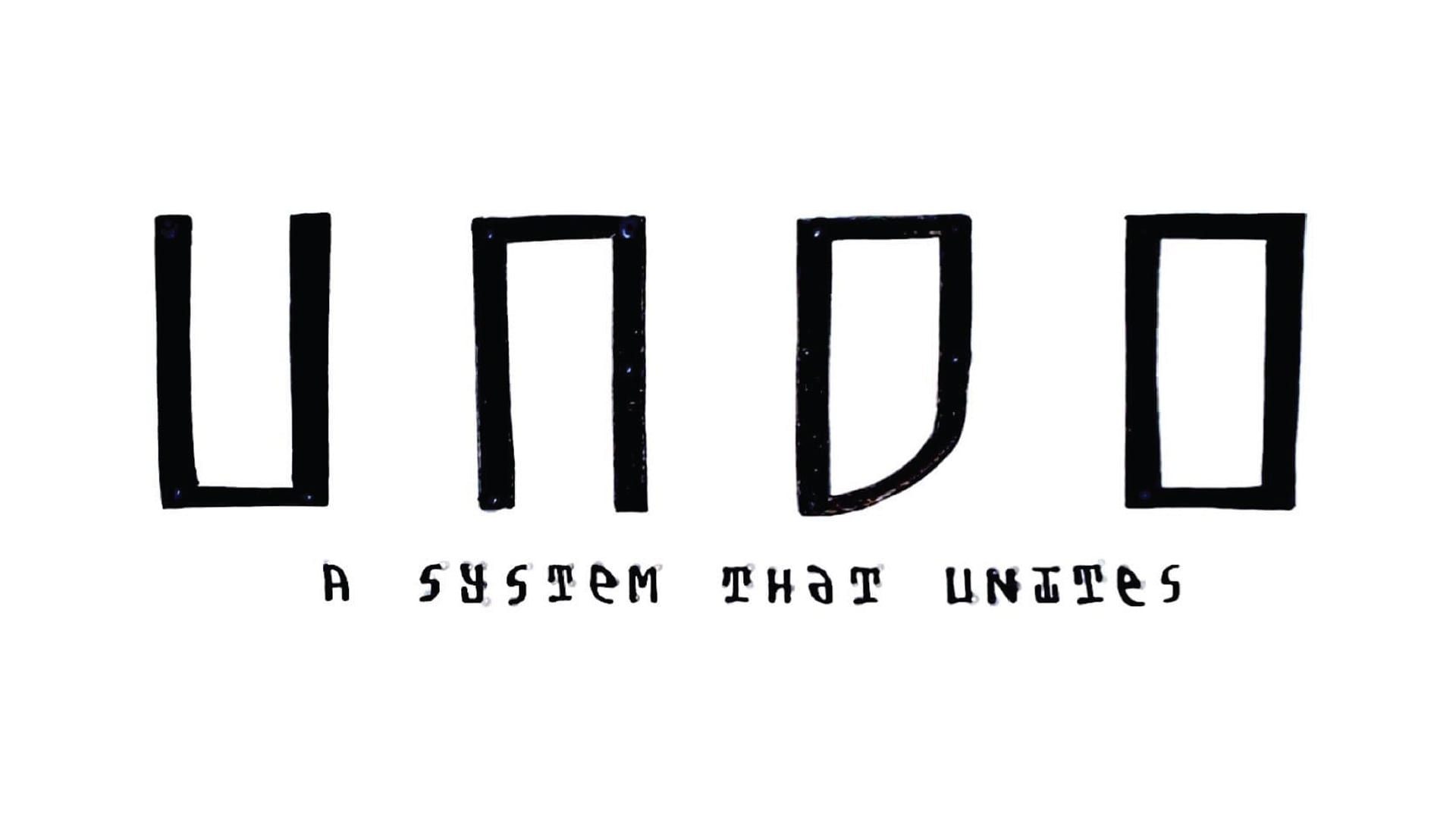
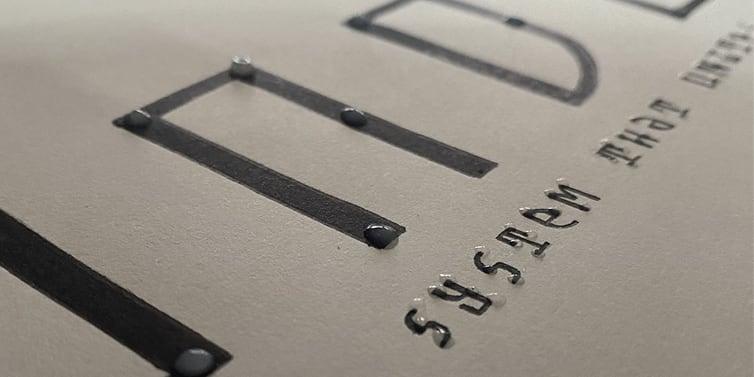
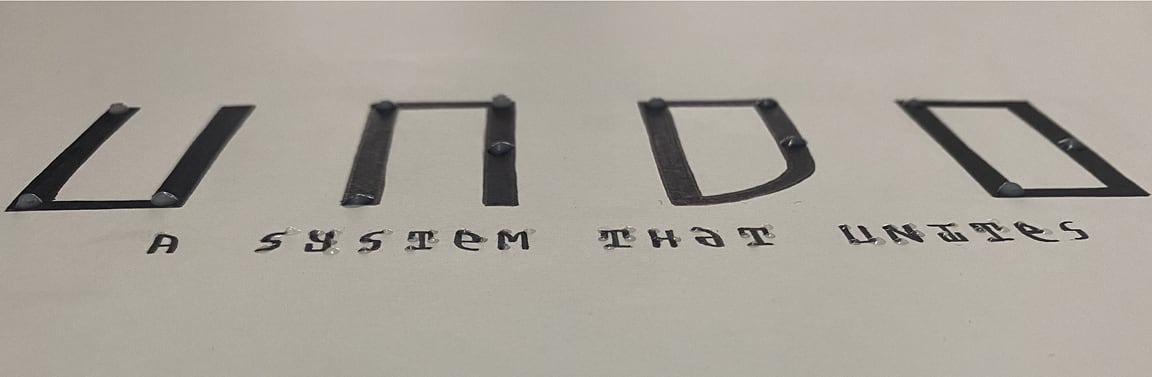
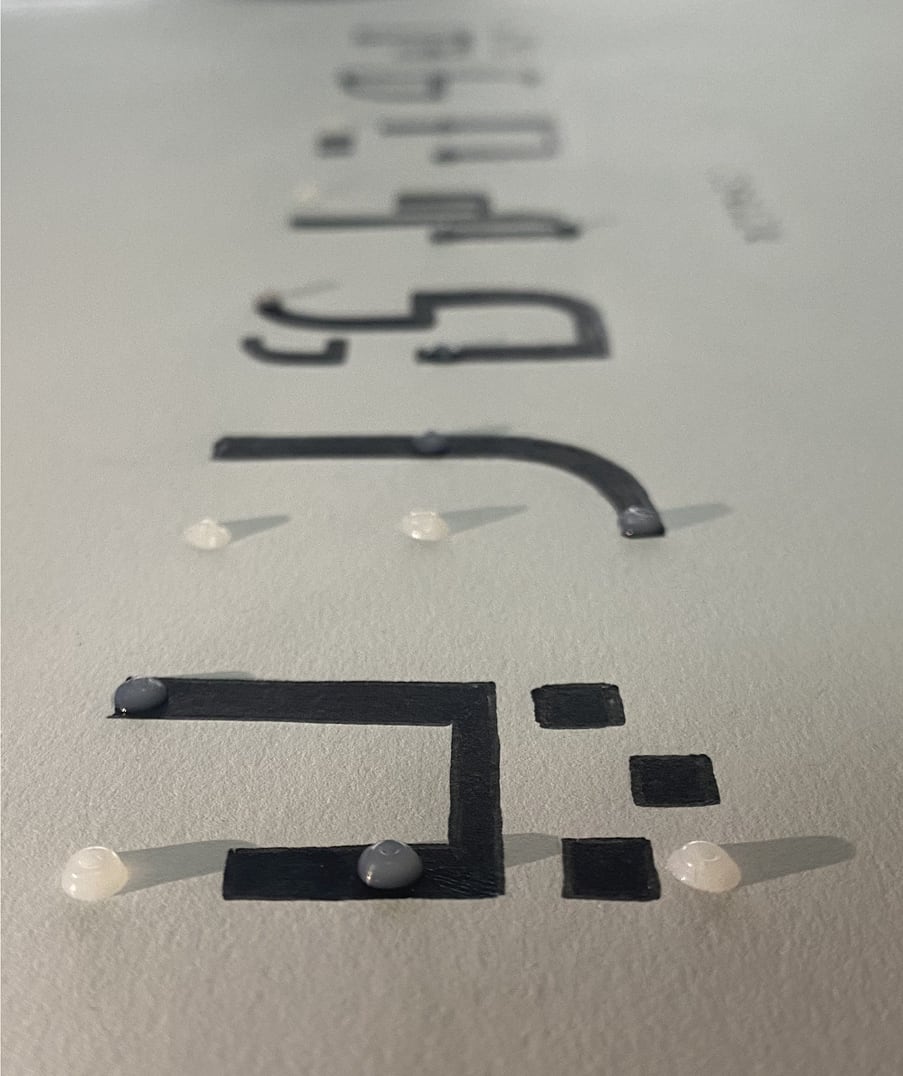
Design and development of a hand-draw multiscript typeface.
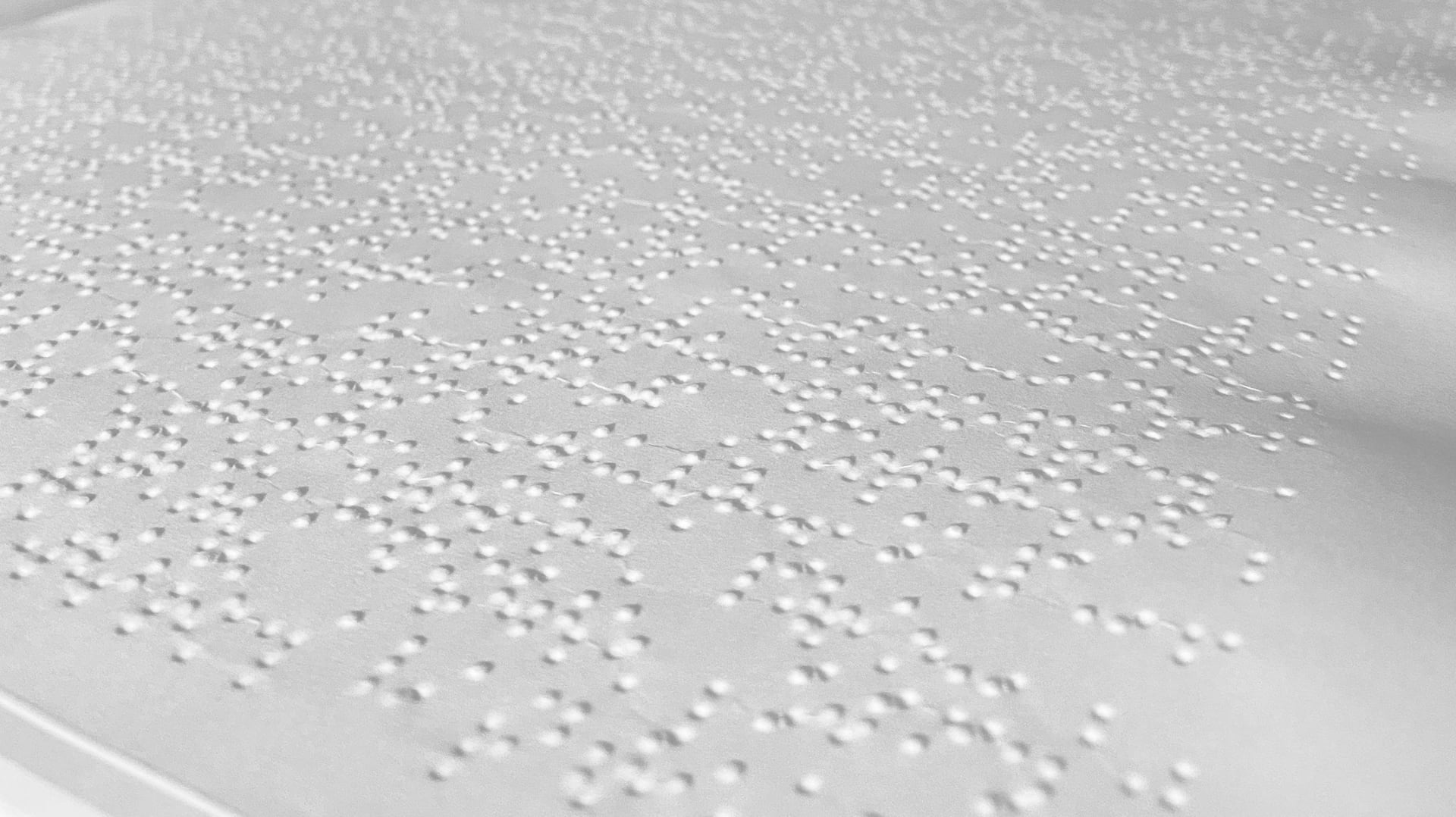
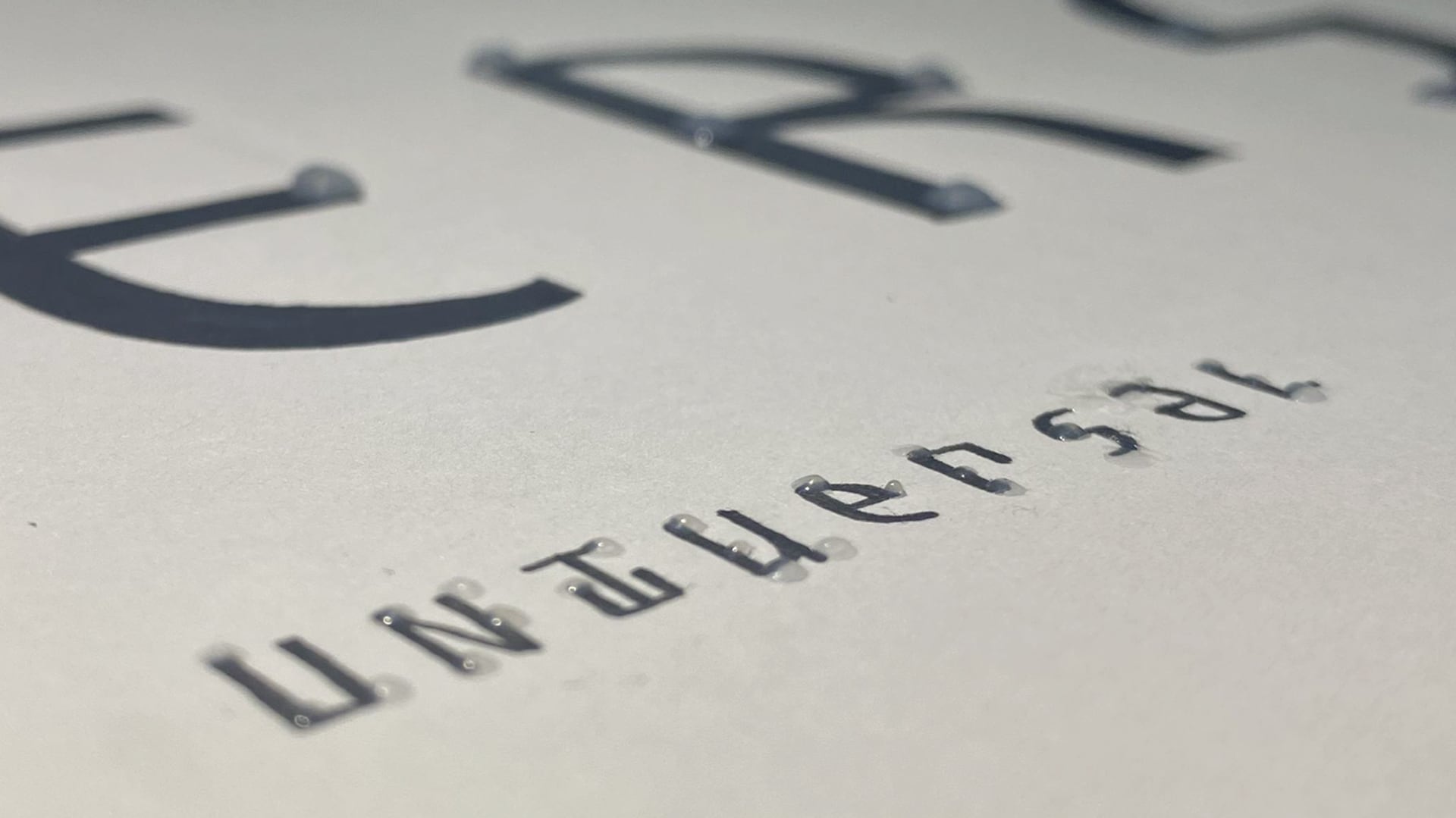
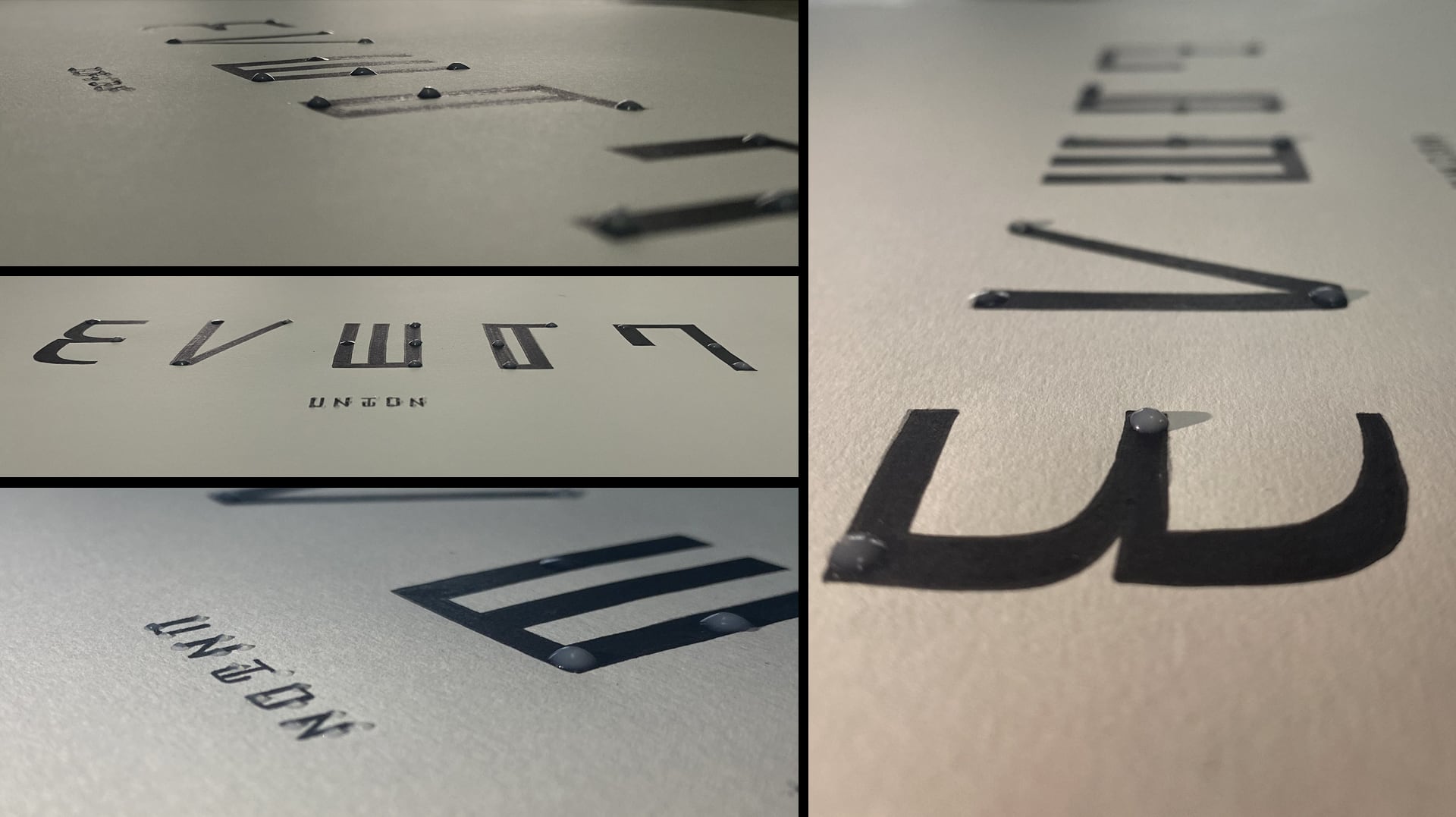
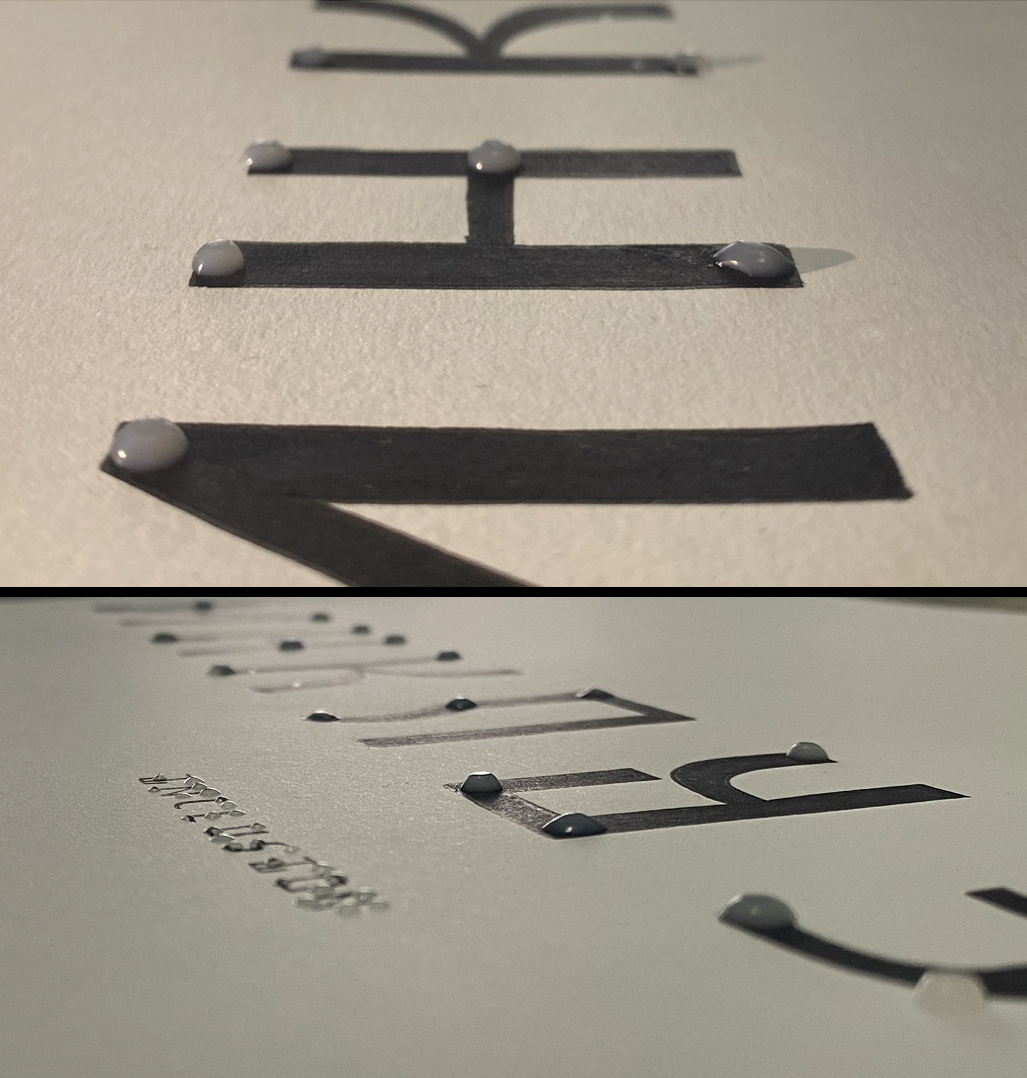
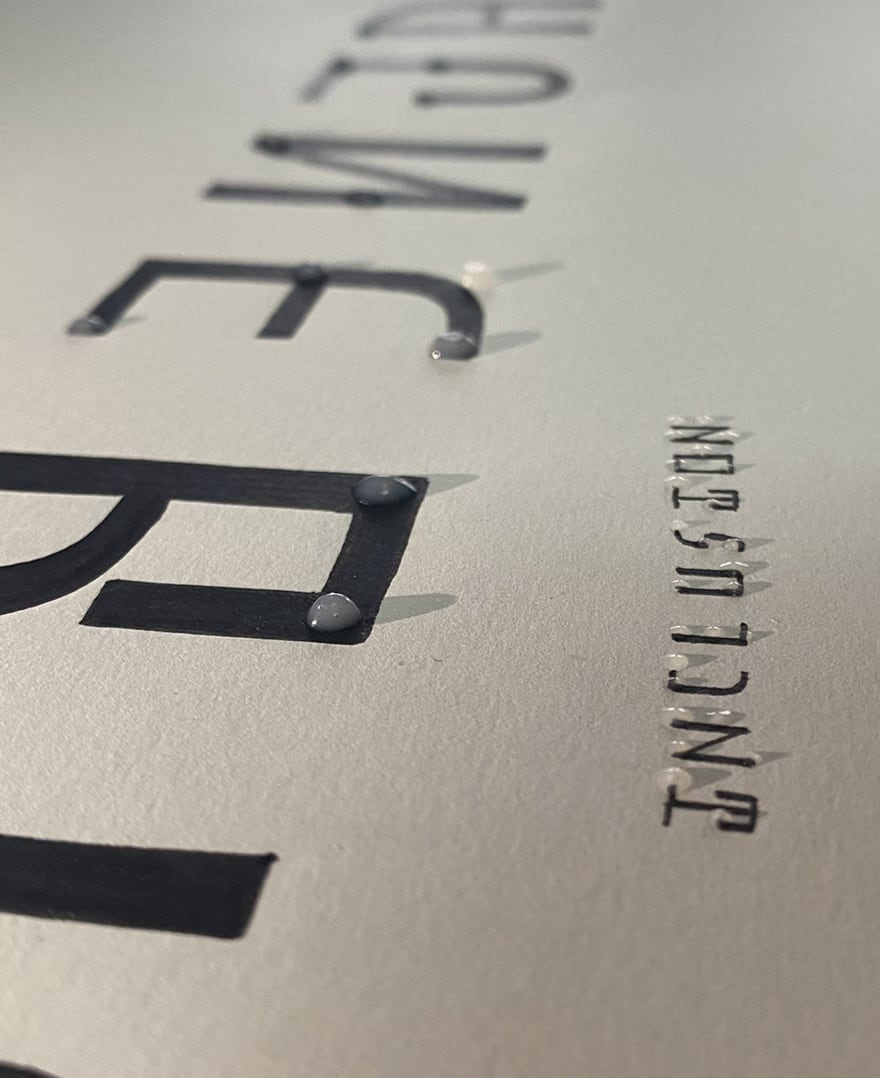
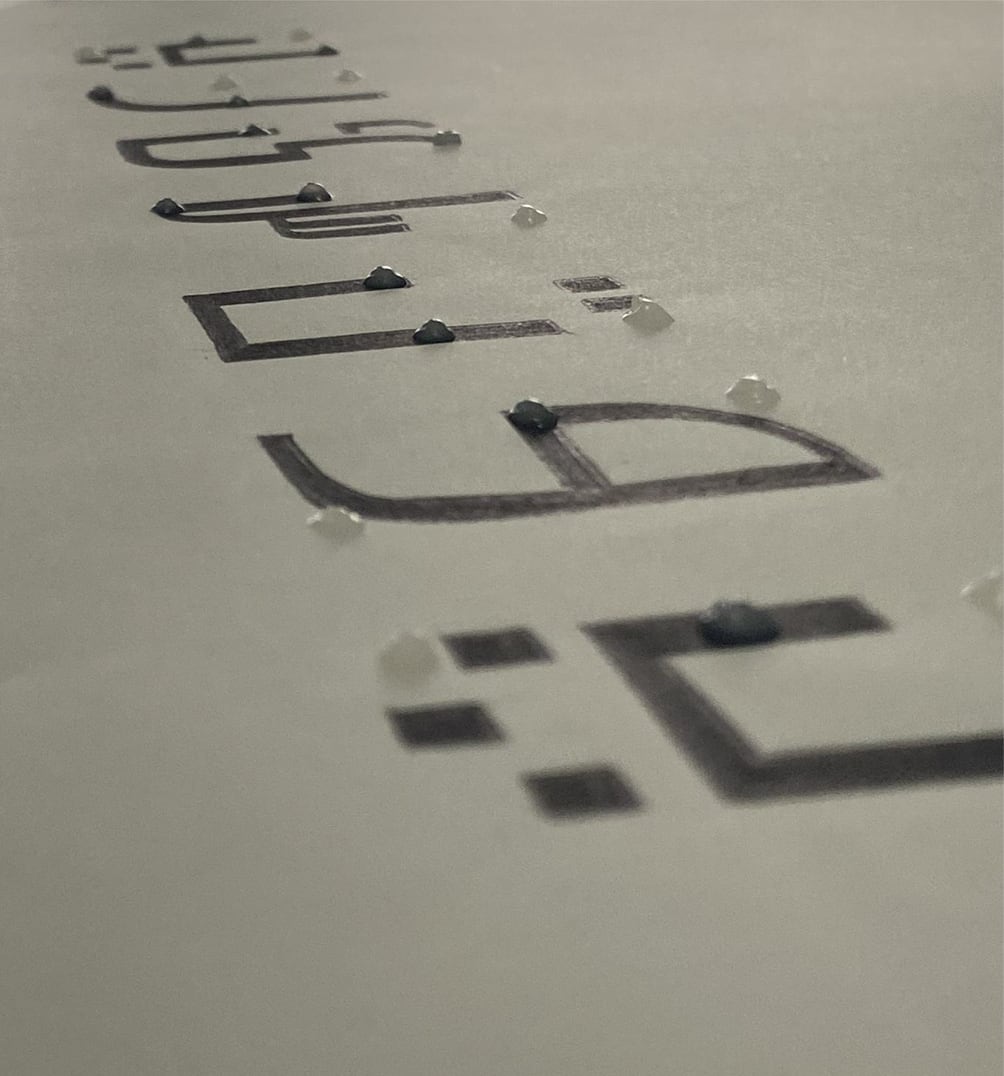
UNDO is a typeface system designed to integrate Braille with different
alphabets. It is distinguished by its ability to adapt to the rigid grid
of Braille, harmonizing characters belonging to heterogeneous writing
systems. The result is a monospaced, sans serif, low-contrast font that
aims to be highly legible.
Despite its widespread use, there is currently no font that integrates
Braille with other scripts. This gap highlights the need for new
typographic solutions that can bridge different alphabets and tactile
reading systems, fostering inclusivity and communication across diverse
linguistic and sensory needs.
UNDO integrates Braille and visual alphabets on two levels: physical, by
bringing writing systems usually kept separate into the same typographic
space, and human, by promoting inclusion and equality between sighted
and blind people. Additionally, this coexistence has an educational
role, supporting the learning of Braille also for sighted readers.
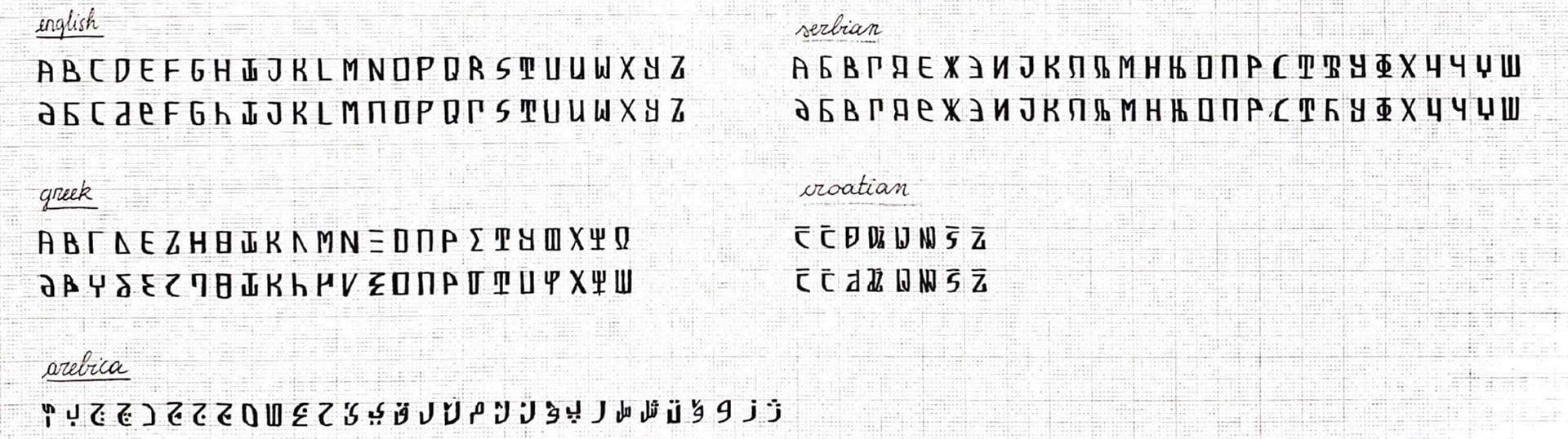
Each script was selected to demonstrate the flexibility of the system:
starting with Braille, consisting of dots, the font take shape based on
Latin, the dominant script characterized by both sinuous and squarish
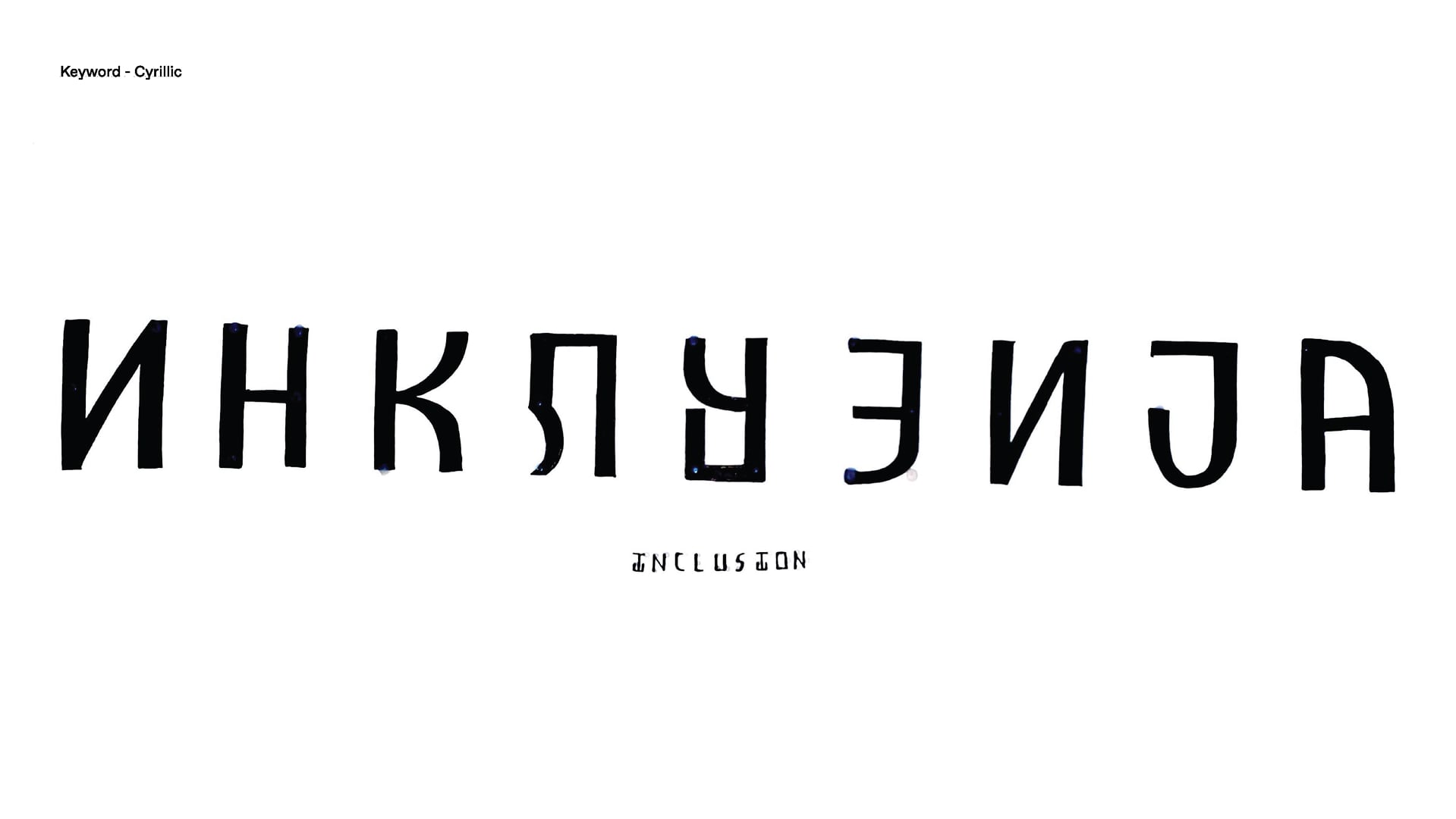
shapes; on Greek, a script with ancient historical origins; on Cyrillic,
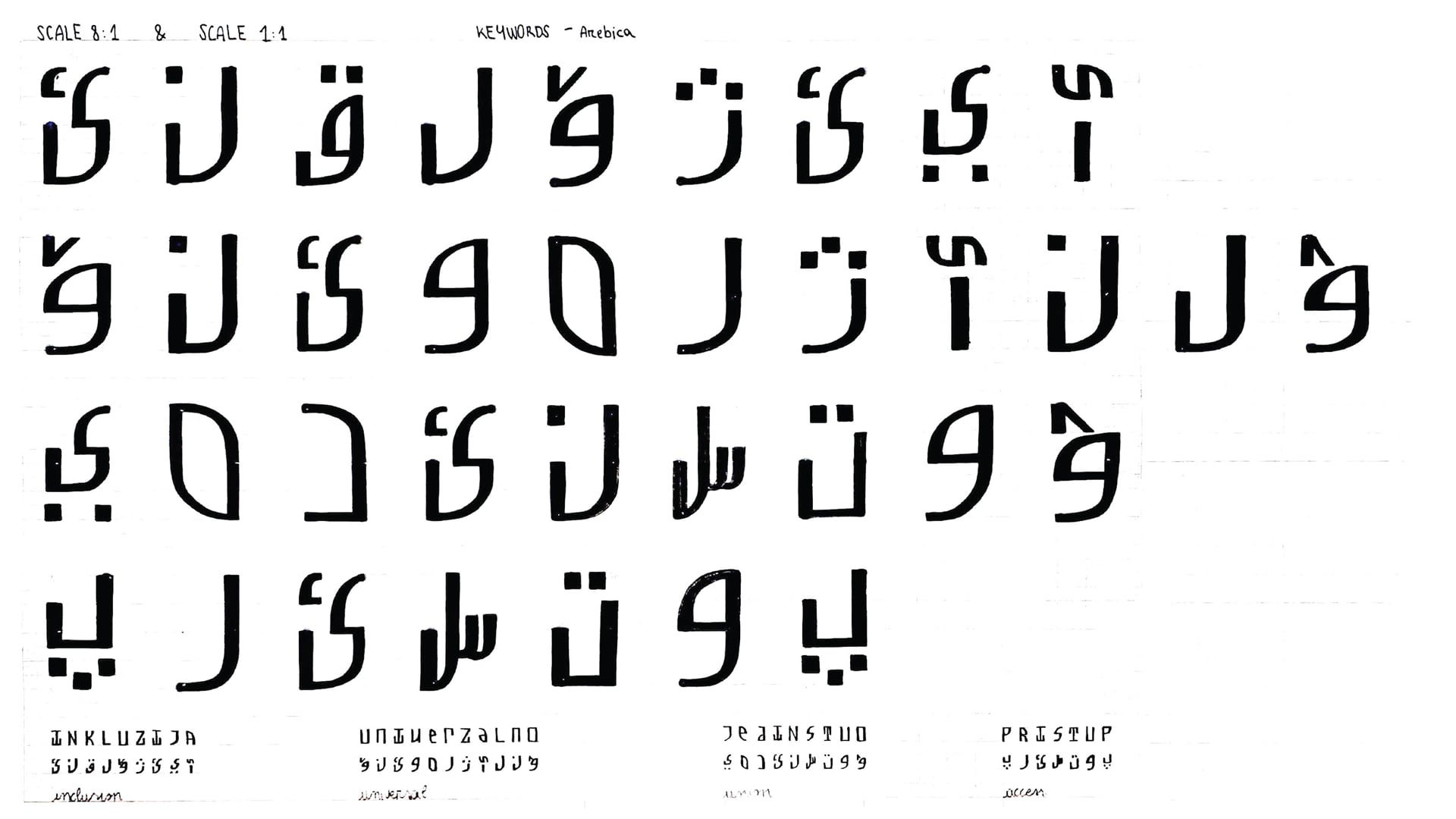
with its complex, angular characters; and finally on Arebica, the Arabic
script adapted to phonetic system of Croatian language, it was used by
Bosnians up until the 20th century, transliterates Croatian, Serbian and
Bosnian directly and is characterized by sinuous shapes.
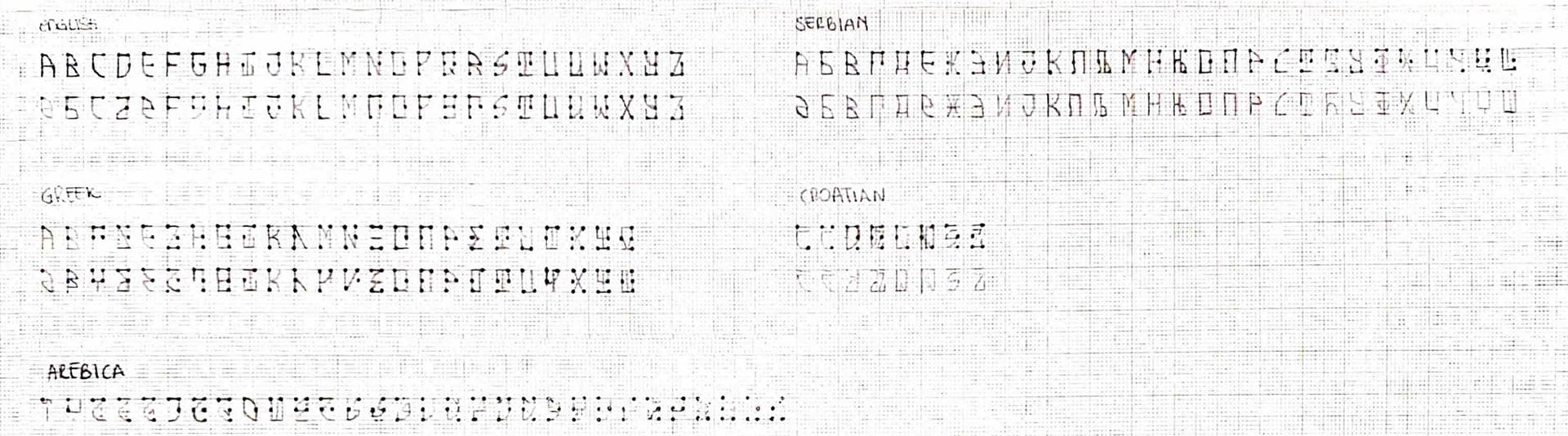
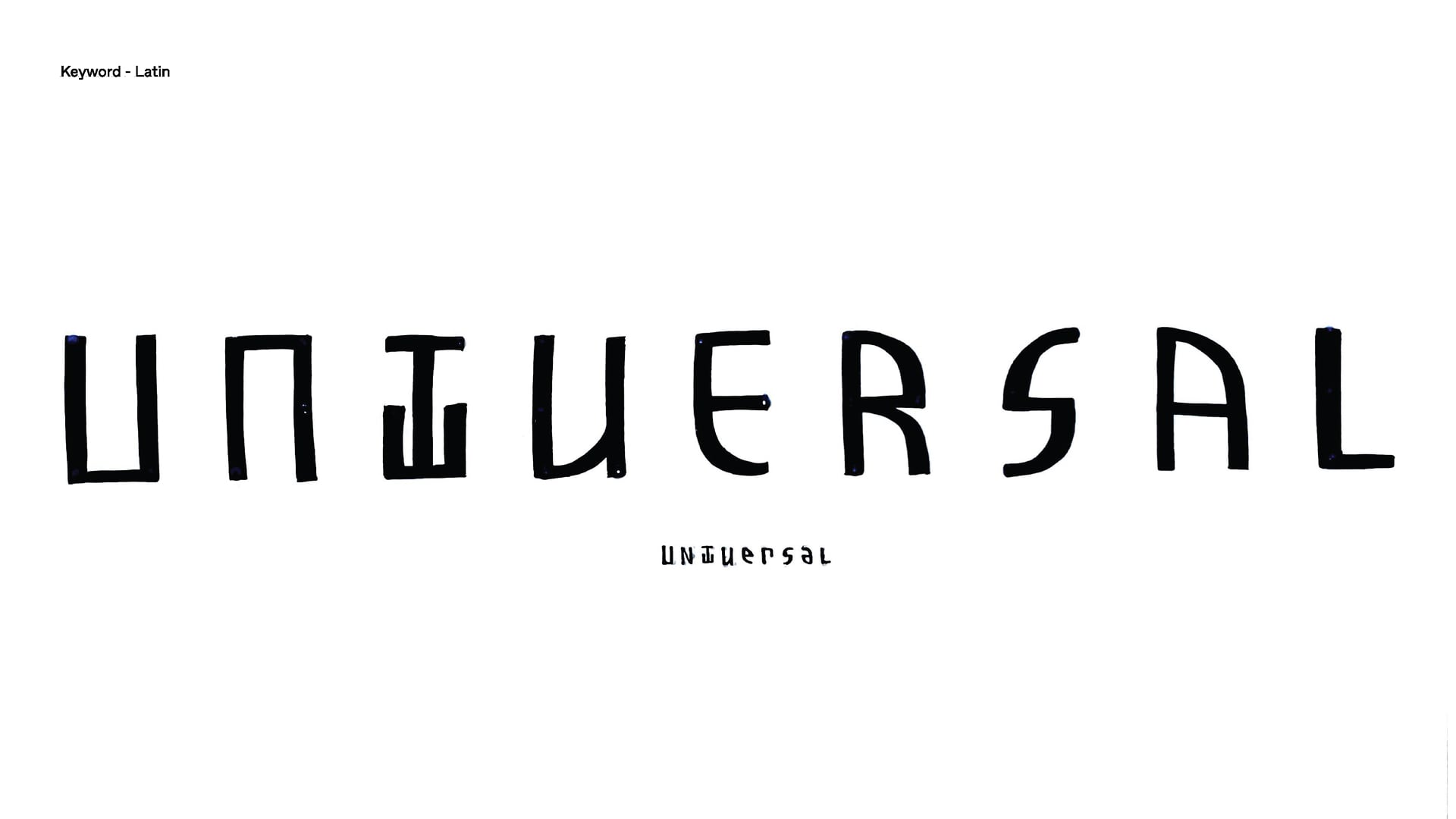
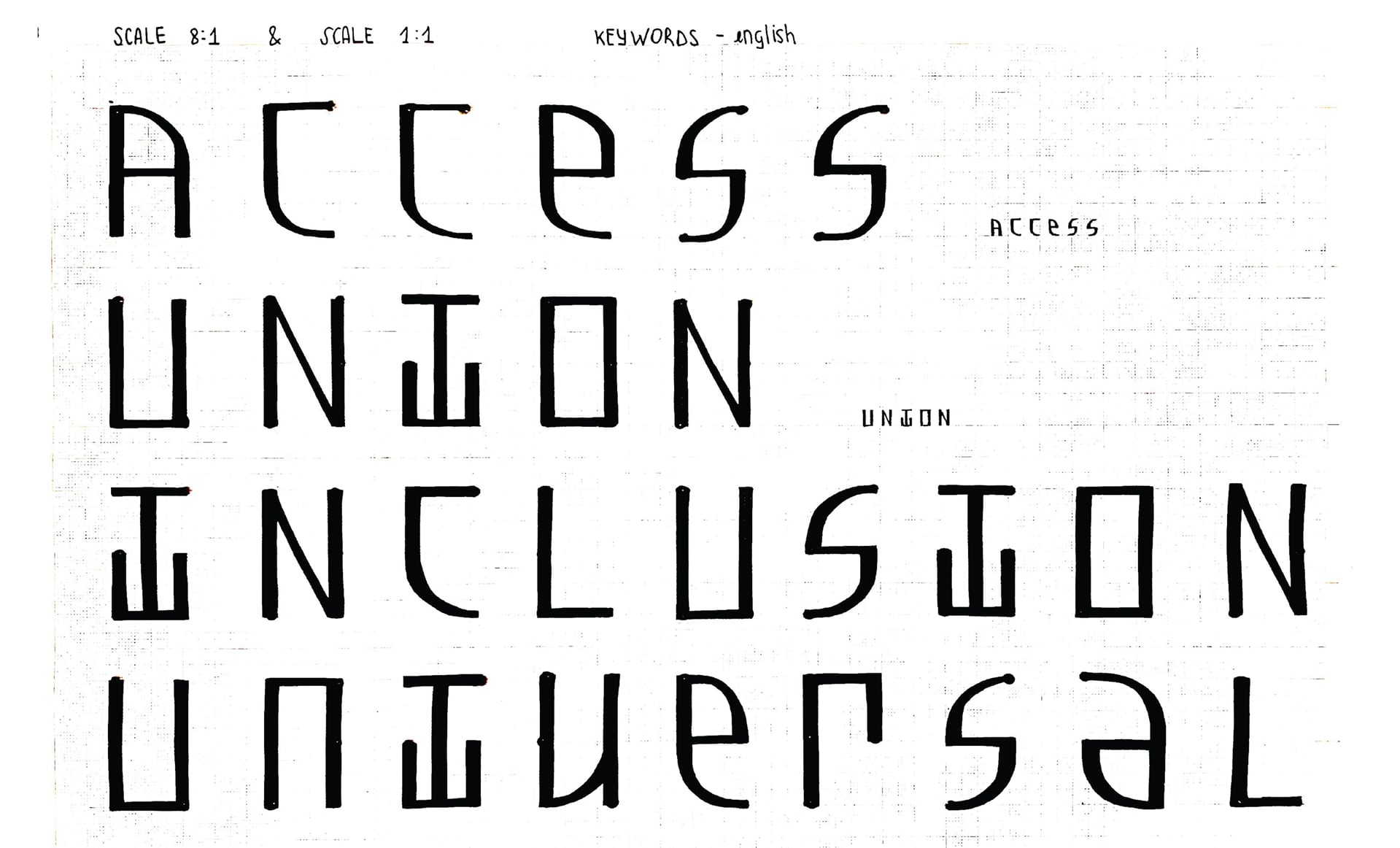
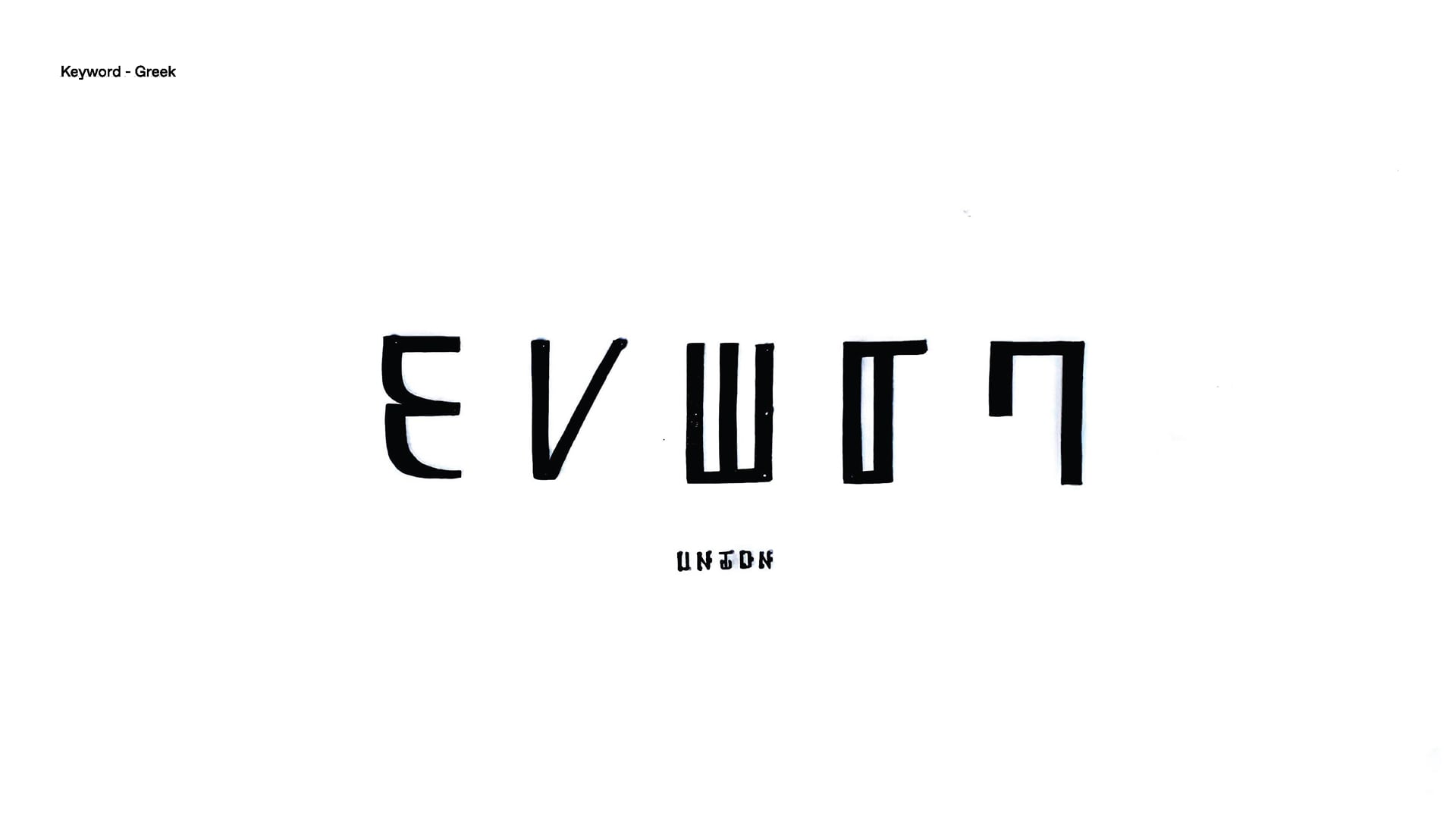
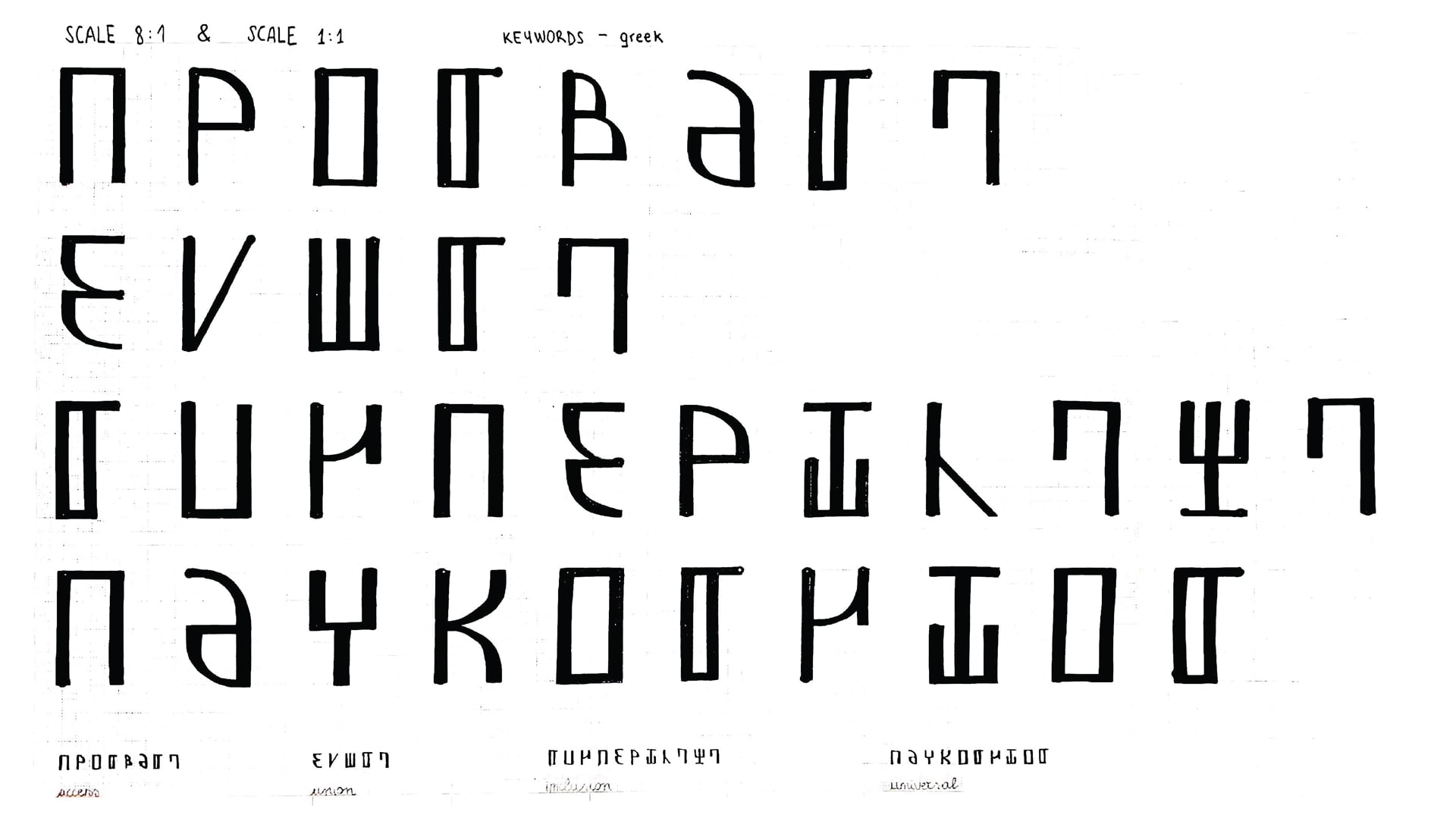
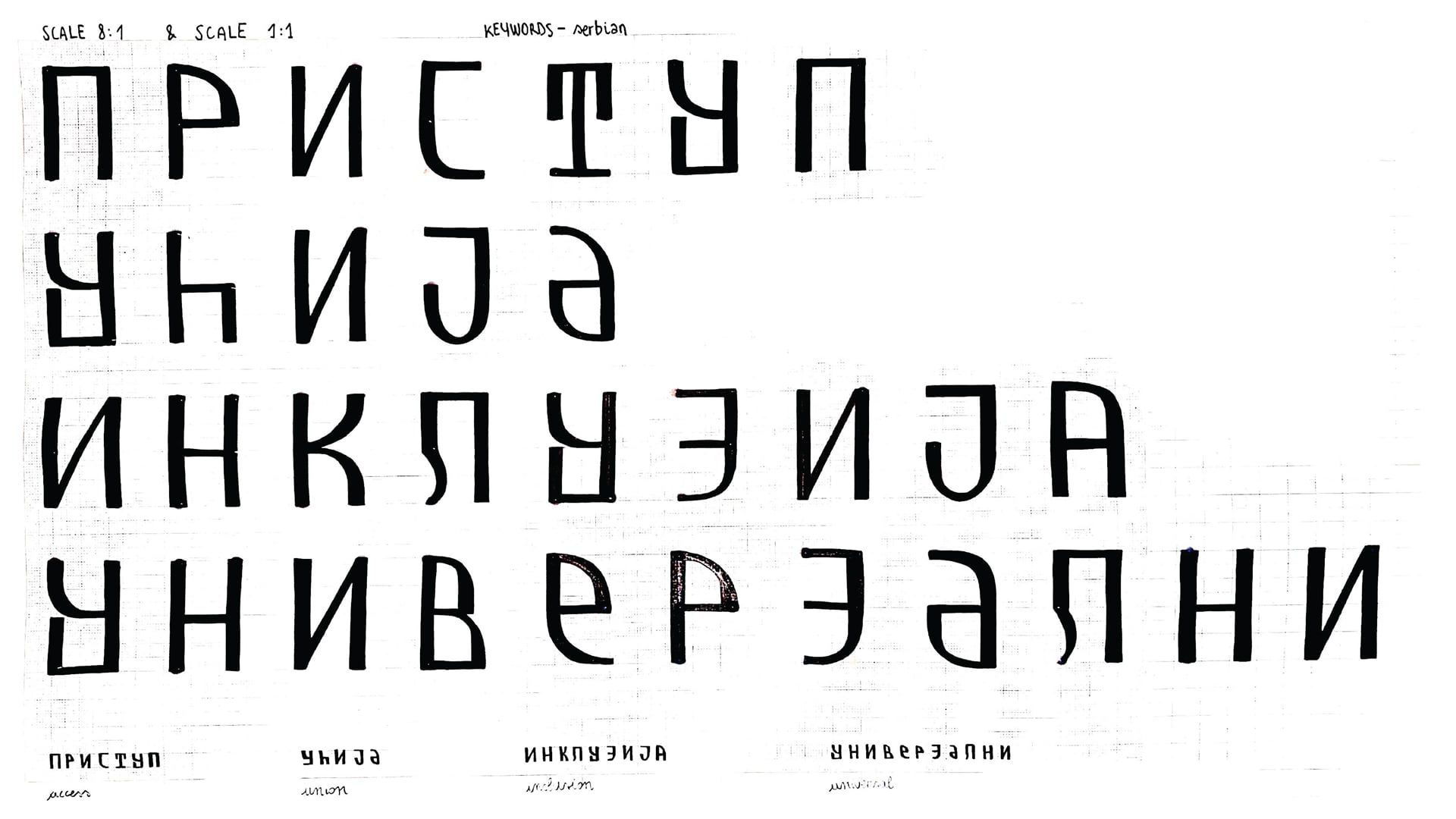
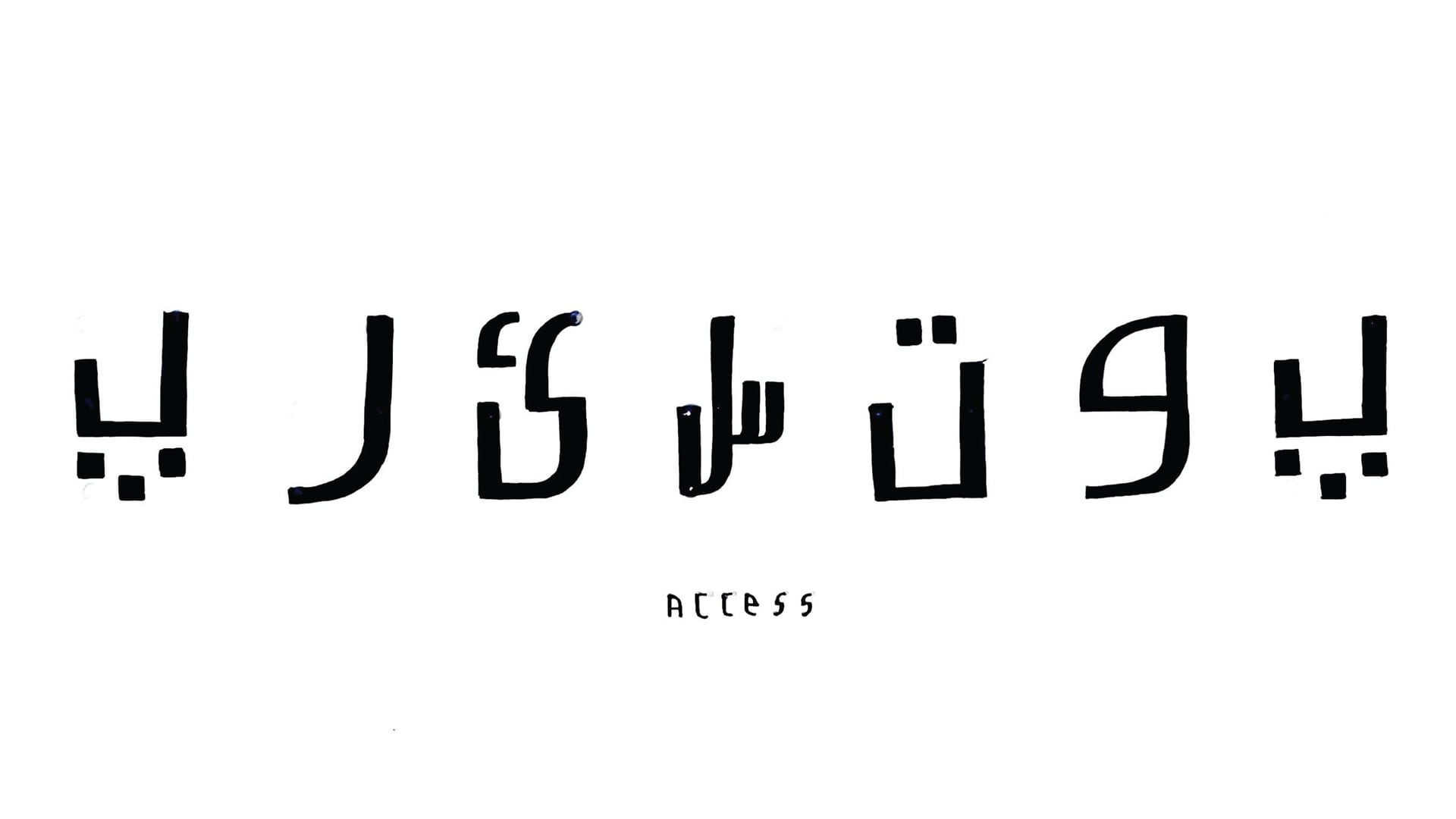
The project, entirely hand-drawn, consists of a series of grid-paper
boards featuring the four complete alphabets at different scales, boards
dedicated to the key words that define the UNDO typeface, and white
boards in which each alphabet is represented by a single key word with
an English subtitle set in the correct Braille proportions.
Nessun cookie o tracciamento: questo sito non utilizza strumenti di
analytics o profilazione.